The final debate before the nation's first primary in New Hampshire is in the books. Who do you think won tonight's debate? Who lost? Who had the best moment? Vote now and tell us your thoughts in the comments.
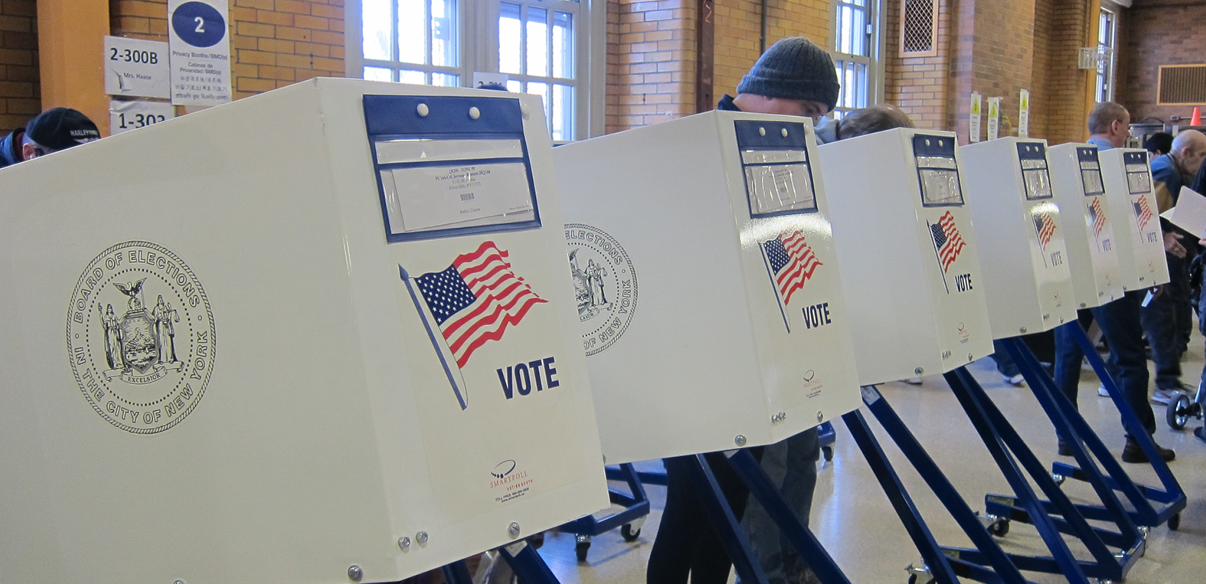
Being an informed voter generally means that you have researched the candidates and issues on a ballot before voting in an election. This can take a lot of research, and can be difficult especially in local races, where up until the election you generally won't see anything in newspapers or online about candidates.
With my experience I have decided on a variety of factors I look into before I decide on which candidate I want to support.
The first is consistency, because this shows their integrity as a leader. I look at each candidate's record to see if the record reflects what they have said in the past. I do not discount anyone before I have begun the process, and I try to not allow snap judgements to guide my actions in deciding who to support.
I look at the candidate's experience in politics and the various types of roles and responsibilities that the candidate has had over the course of their business and political career. Sometimes you may want candidates with specific types of experience, such as governors and presidents.
The third thing is that I have a rather extensive list of issues that I believe in and think would be important to prioritize in order to improve society as a whole. So I check the list of issues for each candidate and I generally tend to vote for a candidate who has stated positions on issues that align the best with where I stand on various issues that important to me.
Specific to the presidential race, one group has put together the site ISideWith.com. This site allows you to answer a series of questions in order to determine which candidate matches up with you best on the issues. It is incredibly important to weight the questions based upon your feelings on the issues and to make sure to check the additional answers.
Each of us wants to leave a positive impact on the world we leave behind. We each have our own vision of how to solve the issues facing this country. The more informed we are on candidates and issues, the more I believe we will be able to move forward in the future as a country.
This edition in our continuing series of short articles helping our readers understand how certain things work in U.S. Politics covers how presidential primaries work.
As you may not have noticed, we now have 17 candidates for the Republican nomination for president. The Democrats have 6 likely candidates, but for most they assume Hilary Clinton will be the nominee. I encourage you to visit realclearpolitics.com to see the latest polling and information on both nominations. I also encourage people to use the site ISideWith.com to help see where they match up with candidates on the issues.
Starting early next year the democrat and republican parties will be holding primaries or caucuses in each state to determine who will be the nominee for their party. Now, officially you are selecting delegates for your party from your state during the caucus/primary who will go to the party's national convention. Normally, however there are enough delegates which go to one candidate that the nomination is settled far before the national convention.
You may be wondering what the difference between a primary and a caucus is. In presidential nomination campaigns, a caucus is a system of local gatherings where voters decide which candidate to support and select delegates for nominating conventions. Often these gatherings will be very noisy and can last for hours. People will make cases for their candidates and try to sway voters. Eventually a system of voting commences but it is not secret ballot, your vote is known. Some caucuses will have those who support a candidate stand all together and count the numbers from each group.
A primary is a statewide voting process in which voters cast secret ballots for their preferred candidates similar to how we vote for most candidates in a general election. In most states the candidate with the most votes receives all the delegates from that state, however some states will divide them based upon percentage of votes received.
If you aren't bored out of your scull think of it this way. You're in a huge high school, you might not know everyone there so how do people decide on who should be the Homecoming king. Each classroom is given a vote on who they think should be Homecoming King. Since this is such a massive high school though, instead you decide to pick a few people from each class who really like the person they nominate. They then go to the gym and a vote is held. They aren't forced to vote for that person, but it is very likely that they will.
There are also a few other delegates as well who are deemed super delegates. These are party elders such as sitting members of Congress, former presidents and such. They make up approximately 20% of all delegates at the convention. This is to ensure the party's platform represents core values of the party.
Because of the schedule and the general momentum a front-runner gains, normally only the first month and a half of primaries really matter. This means that states like California, with it's massive population will have little impact on the nomination, and most likely the nomination will be considered settled before it even reaches Ohio in March. Officially the nominee is determined by a candidate receiving a majority of delegates votes at the convention. However when a candidate receives a majority of delegates from the states they then become the presumptive nominee.
What does this mean? In almost every case for last half a century, it means that a candidate who enters the race late, or doesn't gain enough national attention or support by February 1st has little to no chance to win the nomination.
Certain states have firm laws on their primary dates. New Hampshire's law states that their primary must be the first in the nation. Iowa's caucus is always the first caucus in the nation. These first states have a massive impact on the nomination process. There are many who don't agree with the amount of power this affords these two states in comparison to the rest of the country in deciding the future of the country.
If you are still confused this video does a good job of explaining it:
The schedule for primaries and caucuses in 2016 for each state are as follows:
Monday, February 1Iowa caucus
Tuesday, February 9New Hampshire
Saturday, February 20South Carolina
Tuesday, February 23Nevada caucus
Tuesday, March 1(Also known as Super Tuesday)Alabama Arkansas Colorado caucuses Georgia Massachusetts Minnesota caucuses North Carolina Oklahoma Tennessee Texas Vermont Virginia
Saturday, March 5Louisiana Nebraska (Dem caucus)
Tuesday, March 8Hawaii caucus (GOP) Mississippi Michigan
Sunday, March 13Puerto Rico (GOP)
Tuesday, March 15Ohio Florida Illinois Missouri
Tuesday, March 22Arizona Utah
Saturday, March 26Hawaii caucus (Dems)
Tuesday, April 5Wisconsin
Tuesday, April 26Connecticut Delaware Maryland Pennsylvania Rhode Island
Tuesday, May 3Indiana
Tuesday, May 10Nebraska (GOP primary) West Virginia
Tuesday, May 17KentuckyOregon
Sunday, June 5Puerto Rico (Dem)
Tuesday, June 7California Montana New Jersey New Mexico South Dakota
Tuesday, June 14Washington, DC
States with no firm dates:
New York North Dakota Utah Colorado Idaho Kansas Maine Washington Wyoming
On Friday morning the Huffington Post announced it had come to a decision concerning coverage of Donald Trump's presidential campaign. It stated:
"After watching and listening to Donald Trump since he announced his candidacy for president, we have decided we won't report on Trump's campaign as part of The Huffington Post's political coverage. Instead, we will cover his campaign as part of our Entertainment section. Our reason is simple: Trump's campaign is a sideshow. We won't take the bait. If you are interested in what The Donald has to say, you'll find it next to our stories on the Kardashians and The Bachelorette."
The Huffington Post's Washington bureau chief Ryan Grim also dismissed Trump as "a clownshow" earlier this week.
Donald Trump's campaign dismissed the Huffington Post as a "glorified blog" in a statement on Friday evening."The only clown show in this scenario is the Huffington Post pretending to be a legitimate news source."
The Huffington Post announcement came as Trump has begun to rise in the polls in the Republican Nomination. Much of the first month of his campaign has been surrounded in controversy over remarks he made concerning illegal immigrants from Latin American countries.
There is major concern about the amount of press Trump is recieving as it is affecting the coverage of candidates that some see as "more serious." Pointing to his high polling numbers we need to remember that Michelle Bachmann was polling even higher than Trump is today in 2011.
Often seen as an outsider and despised by the establishment of the Republican party, many are concerned by the impact Trump will have on other candidates. Whether it is pulling attention from more well established candidates like Perry, Huckabee, Bush, and Walker, to limiting the polling of some who are getting lower numbers because they aren't as well known such as Fiorina and Kasich.
Presidential primaries shouldn't be a place for sideshows like Trump. While he is a ratings hog, he dilutes the real conversation away from candidates with a real shot at representing the core values of the nation and the Republican Party.